Reading SEO Analytics Signals Before Traffic Drops
Traffic from Google almost never falls out of the sky without warning. For most service businesses, the signals start building quietly in your SEO analytics long before the phone slows down or the contact form dries up. The problem is that these early signs are scattered across tools and dashboards, so they are easy to miss when you are busy running the business.
In this article, we are going to walk through the specific SEO analytics signals that usually move first, especially for local and service area businesses. We will focus on simple patterns you can check each week, so you can spot risk early, protect your main service pages, and keep leads coming in steadily instead of riding a roller coaster.
Anticipating Traffic Drops Before They Hit
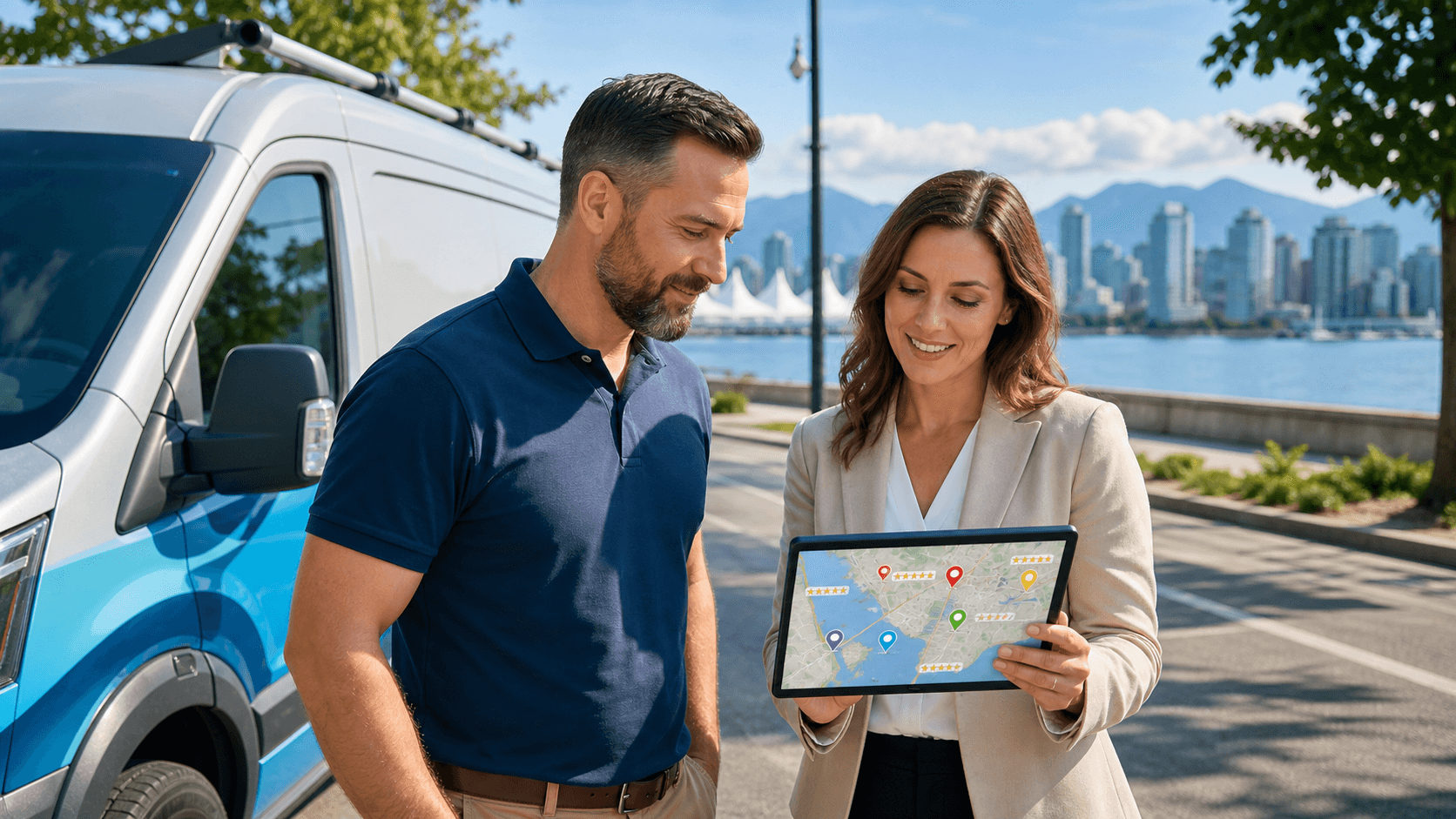
Picture a local contractor or home service business in Vancouver getting steady leads from Google. One day the calls are fine, the next week things are noticeably quieter. It feels sudden, but if you look back at the data, the warnings were often there: small drops in clicks, weaker CTR, fewer map actions.
Traffic drops usually follow this order: search behaviour shifts, rankings adjust, then traffic and enquiries fall. When we pay attention to search signals earlier in that chain, we get time to act. That is where SEO analytics services become less about reports and more about early problem detection.
Some of the earliest weak spots show up in:
- Impressions and CTR in Google Search Console
- Google Business Profile actions like calls and website clicks
- Local pack visibility and map coverage for your service area
- Citation consistency and proximity shifts
Late spring and early summer add an extra layer. People search more for outdoor work, tourism, and seasonal home services, and less for certain indoor or cold-weather needs. Those shifts are normal, but if you are not watching the trend lines, you can blame seasonality for what is really a fixable SEO slide.
Spotting Early Warning Signs in Search Behaviour
Your first warning signs often appear in Google Search Console long before Analytics shows a serious traffic dip. Two places to watch closely are impressions vs clicks, and the mix of queries sending you traffic.
When impressions go up but clicks stay flat or start to fall, it can mean:
- You are being shown for more broad or less relevant searches
- Competitors have stronger titles or meta descriptions and win the click
- Google is testing your pages for new queries but not seeing good engagement
Shifts in query mix are another big clue. If you see fewer high-intent phrases like "emergency" or clear service keywords, and more generic or informational searches, it can signal that Google is moving your pages up the funnel. You might still get views, but fewer people ready to book.
Because some categories naturally dip or climb in late spring, it helps to:
- Set baselines for impressions, clicks, and CTR for main services
- Tag or group your top service queries vs informational ones
- Add alerts for sudden changes in CTR for core keywords
- Review titles and meta descriptions when CTR drops, even if rankings look stable
This is where AI can help by spotting patterns in hundreds of query lines that would take a human far longer to notice.
Reading Local Pack and Maps Signals Like a Pro
For many service-based businesses, the local pack and Google Maps bring in a big share of enquiries. The good news is that your Google Business Profile usually whispers warnings before rankings slip out of the top three.
Keep an eye on:
- Calls
- Website visits
- Direction requests
If those start trending down over several weeks, treat that as an early warning even if you still see yourself in the pack when you check manually.
Other less obvious signals include:
- Photo views dropping compared to similar businesses
- Slower review volume, or more neutral and negative reviews
- Review keywords shifting away from your main services
AI-driven review and behaviour analysis can spot when more people are finding you by brand name rather than discovery keywords. That often means people who already know you are still searching, but new prospects are not seeing you as often for generic service terms.
Also watch what appears around your listing in the local results:
- New competitor ads stacked above the map
- "People Also Search For" brands rising beside or under you
- New competitors suddenly visible in your key suburbs or neighbourhoods
These changes often show that competition is heating up in your service area. Catching that early gives you time to improve your profile, add fresh photos and posts, or refine your categories and services before your actions numbers take a harder hit.
Analysing Citations, Service Areas and Proximity Shifts
Local authority is not just about your own site and profile. It also depends on how your business appears across major directories and niche citation sites. Small NAP gaps, like slightly different business names or street formats, can quietly weaken trust over time.
Early signs that something is off include:
- Fewer "discovery" searches in your Google Business Profile
- Less stable placement in the map pack for your usual search terms
- More branded than non-branded searches driving actions
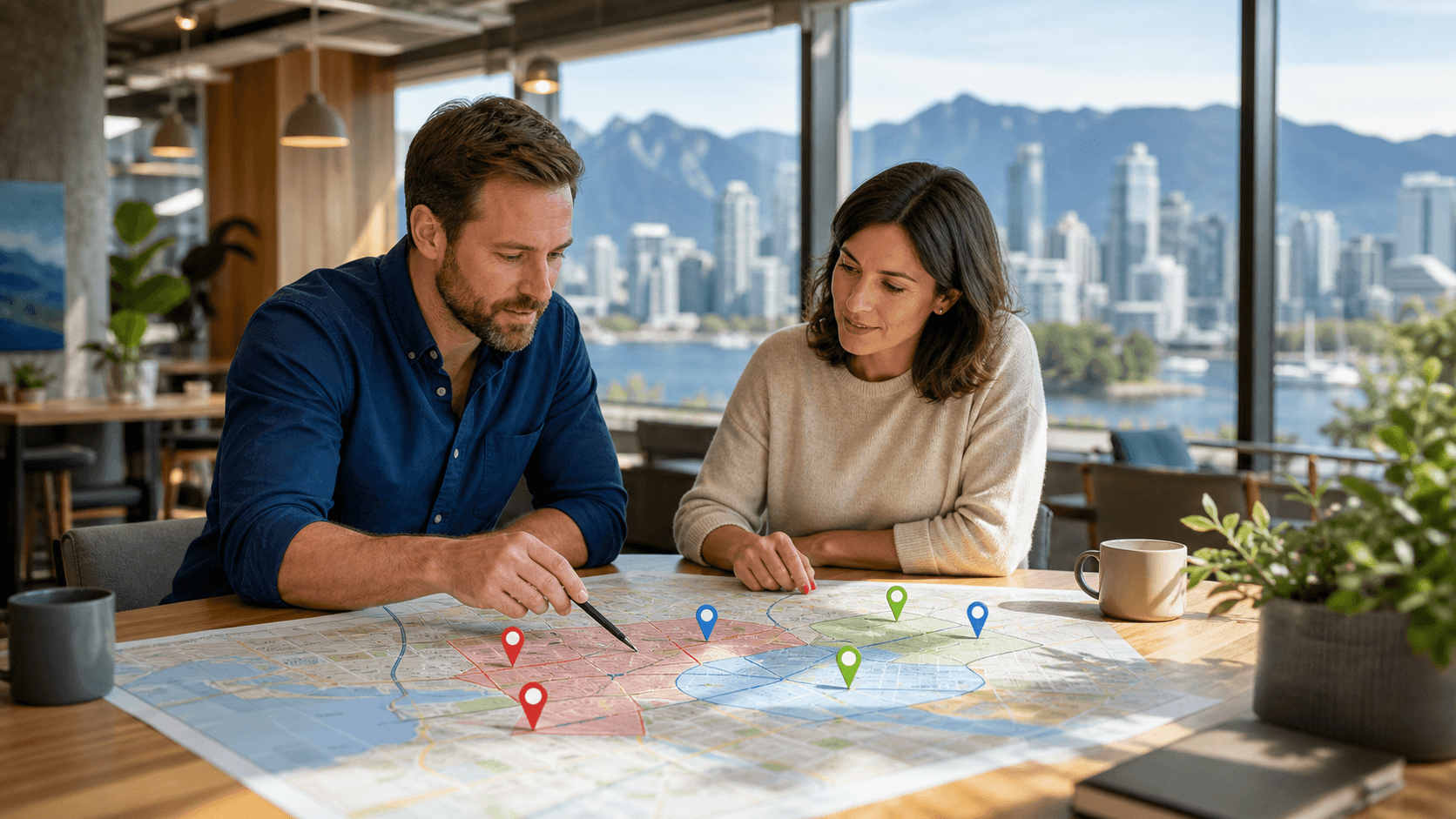
Service area and proximity signals shift too. As competitors refine their service areas or open new locations, Google can decide their listing is a better fit for certain neighbourhoods or postal codes than yours, even if you still "cover" those areas on paper.
A simple way to stay ahead is to:
- Track geo-specific performance by city, neighbourhood, or postal code
- Compare which areas still generate strong map impressions and actions
- Flag pockets where discovery searches or actions start to dip first
Specialised SEO analytics services for service-based businesses can pull citation data, service area coverage, and local search performance into one view. That makes it easier to see that, for example, your east-side coverage is softening while the rest of your city still looks healthy.
Turning Analytics Signals Into Swift Action Plans
Data only helps if it leads to clear action. When you spot slipping CTR, falling local actions, or weaker visibility in a certain area, it is time for a focused response.
For on-site SEO, typical fixes include:
- Updating page titles to better match current high-intent queries
- Rewriting service headings to be clearer and more benefit-driven
- Refreshing meta descriptions to invite clicks with specific outcomes
- Adding seasonal FAQs and offers that matter in late spring and summer
For local and map signals, you might:
- Update your main categories or add missing service attributes
- Post fresh photos that show recent work or seasonal services
- Encourage new reviews that mention your current focus services
- Refine your service area to match where demand and profit are highest
A simple rapid-response workflow helps keep this tight: identify the page or listing, study the live SERP and map results, compare top competitors, update content, then schedule a check on key metrics 7 to 14 days later. An AI-informed approach can also predict which keywords or locations are at risk next, so you fix the next weak spot before it shows up in your traffic charts.
Making SEO Analytics Your Always-on Safety Net
The real power of SEO analytics services is not in big quarterly audits. It is in small, steady check-ins that turn your data into an always-on safety net for your lead flow.
A simple weekly routine might include:
- Reviewing impressions, clicks, and CTR for top service queries
- Checking Google Business Profile actions and any sharp changes
- Skimming new reviews and questions for common themes
Each month, you can go a bit deeper:
- Compare geo-specific performance for key neighbourhoods
- Review citation health on major directories
- Look at query mix shifts and new search terms starting to appear
By putting this rhythm in place before peak summer demand, local service businesses can protect busy months and soften slower ones. From our base in Vancouver, we have seen that the businesses who treat analytics as an early warning system tend to feel fewer "surprises" from Google and enjoy steadier enquiry lines across the year.
Get Started With Your Project Today
If you are ready to understand what is actually driving your organic traffic, we are here to help you turn your data into clear next steps. At SpottableAI, our SEO analytics services give you a focused view of your search performance so you can prioritize what really moves the needle. We work with you to uncover meaningful insights, not just surface-level metrics, and translate them into practical actions for your team. Connect with us today so we can start building a search strategy grounded in evidence, not guesswork.