AI Visibility Tracking vs Traditional SEO Dashboards
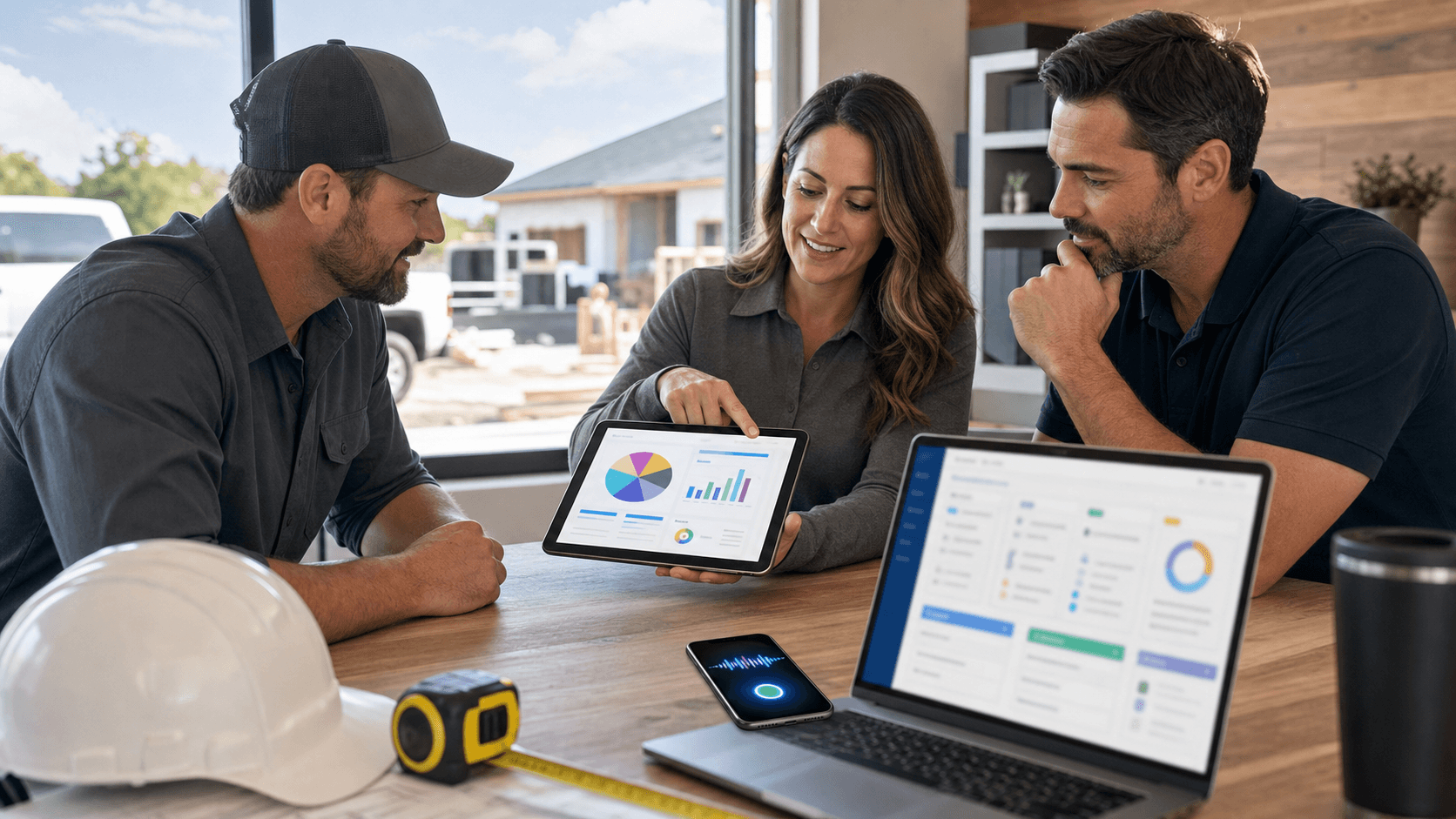
SEO dashboards are great at counting clicks and rankings, but they often miss the real question: how often are people actually finding and choosing your business across search, maps, and new AI-powered answers? That gap is where revenue is won or lost, especially for service-based businesses that rely on local demand.
As spring reports roll in and you look ahead to busy summer months, this difference matters even more. Home services, tourism, events, and health and wellness businesses across Canada all feel those demand spikes. If your reporting only shows part of the picture, it is very easy to misread what is really working and where you should invest next. Let's talk about why traditional SEO dashboards are hitting their limits and how AI visibility tracking gives you a clearer view.
From Spring SEO Reports to Year-Round Revenue
Late spring is when many service businesses sit down with reports and ask simple questions: Are we showing up enough? Are we ready for summer? Traditional dashboards try to answer this with tidy charts on rankings, traffic, and clicks.
The problem is that these dashboards usually stop at your website. They rarely show how often you appear in:
- Google Maps
- Local packs and map packs
- AI overviews and AI answer boxes
- Voice answers and other non-click results
So you might think your SEO is fine because a few main keywords rank on page one. But you cannot see how often you show up on the map for "near me" searches, or how many times AI answers are recommending a competitor instead of you.
AI visibility tracking looks at this bigger picture. Instead of only tracking rankings and sessions, it tracks how "spottable" your brand is across search, maps, and answer engines together. For Canadian service businesses that deal with strong seasons and short booking windows, that broader view supports better planning and more confident decisions.
Why Traditional SEO Dashboards Are Hitting Their Limits
Most SEO dashboards were built for a time when ten blue links were the main thing on a results page. That is not how local search works now.
They focus on surface‑level metrics like:
- Average keyword position
- Organic sessions and page views
- Click-through rates from standard results
These numbers matter, but they miss key behaviours. People often get what they need without clicking a website at all. They tap a phone icon in a map result, follow directions, read reviews, or ask a voice assistant and get a spoken answer.
On top of that, your local view is usually split across different tools. You might:
- Check one tool for keyword rankings
- Open Google Business Profile's insights for map data
- Use analytics for site traffic and goals
Trying to stitch those together in your head quickly creates blind spots. You may not see that you are strong in one neighbourhood but almost invisible just a few blocks away.
Seasonal patterns add another layer. Spring and summer bring:
- More "near me" searches from tourists and visitors
- Spikes in home service needs like yard work or AC checks
- Short-notice bookings around long weekends and events
Static keyword lists and monthly charts rarely show how those patterns shift across days, locations, and devices. The result is reporting that looks neat, but does not match what people on the street are actually doing.
How AI Visibility Tracking Gives You the Full Picture
AI visibility tracking starts with a simple question: in all the different ways people search, how easy is it to find and choose your business?
Instead of only looking at your site metrics, it pulls from many sources, such as:
- Search results, including rich snippets and "people also ask"?
- Google Maps and local packs
- Reviews and ratings
- AI-generated answers and sometimes voice-style results
Then AI helps interpret what all that means. It can look at where you show on a map, which competitors appear beside you, and how often you are part of suggested options. It cares less about a single keyword rank and more about overall findability across areas and devices.
For Canadian service businesses, that translates into real-world impact. You can:
- Spot neighbourhoods where your calls and bookings are driven by strong map presence
- Time seasonal offers to match when search and maps activity starts climbing
- Connect changes in visibility to changes in enquiries, so you are not guessing why the phone is quiet
Instead of surfing through ten dashboards, you get one clear picture of where you stand and where you can grow.
Modern Visibility Tracking vs Legacy Dashboards
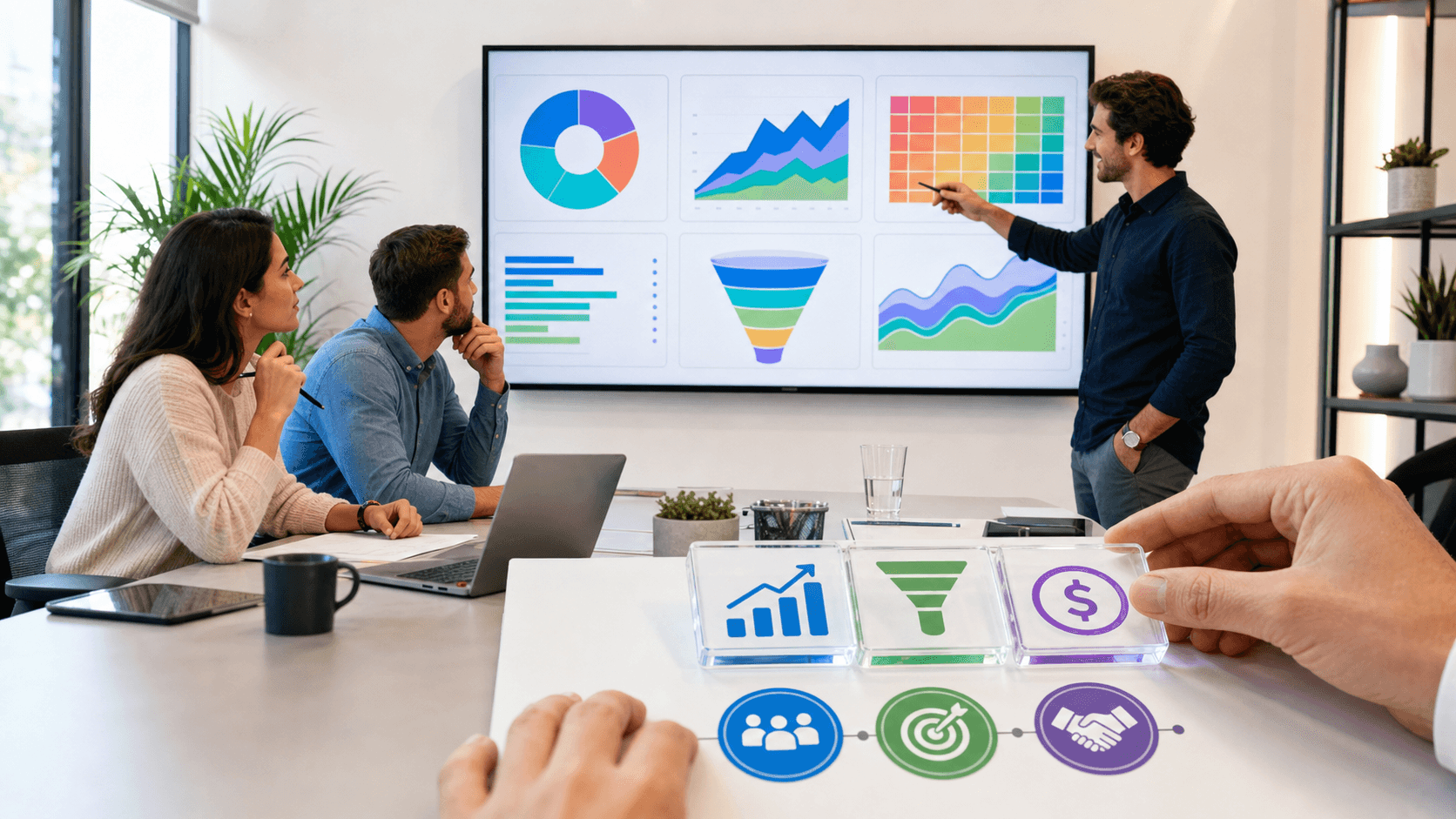
When you put AI visibility tracking beside older dashboards, the differences show up quickly.
Traditional dashboards tend to give you:
- A keyword-centric snapshot
- A view focused on your website only
- Lots of raw data that needs heavy interpretation
AI visibility tracking focuses on depth. It looks at things like:
- How often you are shown in map packs, not only if you are present
- Whether AI answers and "people also ask" sections mention your brand
- How often searchers choose you from those views
Local nuance is another big gap. Average rankings hide what is really happening. AI visibility tools can segment by:
- Neighbourhood or postal code
- Language preference
- Device type, like mobile vs desktop
This shows patterns that generic dashboards blur, such as being strong downtown but weak in nearby suburbs, or being visible in English searches but rarely showing up for French-language queries.
On top of that, AI can turn all this into simple stories and alerts. Instead of digging through tables, you might see:
- "You are losing map share to a competitor around a certain intersection."
- "Visibility for emergency-related searches dropped on mobile this week."
That kind of plain language makes it much easier to act fast.
Turning Visibility Insights Into Local Growth
Good tracking has to lead to action. AI visibility tracking is especially powerful when you want to grow locally during busy months.
First, it helps you prioritize high-value zones. You can see where you are already close to winning, such as areas where:
- You appear in map results but not consistently in the top spots
- Your reviews are solid but volume is lower than nearby competitors
- AI answers show you sometimes, but not for all related questions
Those "almost there" zones are great places to focus content, offers, and local campaigns.
Second, it helps you fix weak spots fast. AI-driven alerts can flag issues like:
- Sudden drops in local pack placement
- New negative review trends
- Fewer mentions in AI-powered summaries
Catching these early lets you solve listing issues or content gaps before a busy weekend hits, which is especially important when warmer weather drives last-minute bookings.
Finally, AI visibility tracking helps you line up your offers with what people are actually asking for. By watching seasonal shifts in search intent, you can adjust:
- Landing pages to match common "near me" or "emergency" phrases
- Google Business Profile posts to speak to current needs
- Promotions that call out services people are actively searching for right now
This keeps your marketing tied to real demand, not just a static list of keywords.
Make Your Business More Spottable Before Peak Season
As search results keep changing, sticking with static SEO dashboards alone can leave a lot of potential on the table. AI visibility tracking gives you a living view of how often you show up, where you win, and where you are getting edged out across search, maps, and answer engines.
At SpottableAI here in Canada, our focus is on helping service-based businesses turn that visibility into steady local growth. When you can see your true presence across neighbourhoods and channels, every seasonal push gets sharper, and every report becomes a starting point for real action, not just a stack of charts.
See Exactly How Visible Your Brand Really Is
If you are ready to understand where your brand actually shows up online and what your audience really sees, we can help you track it with precision. At SpottableAI, we use AI visibility tracking to turn scattered data into clear insights you can act on. Our team will work with you to align tracking with your specific goals so every decision is backed by real evidence. Reach out today to start building a clearer picture of your digital presence and where to focus next.